
What Is Security Posture? A Complete Guide for Businesses
What is Security Posture?
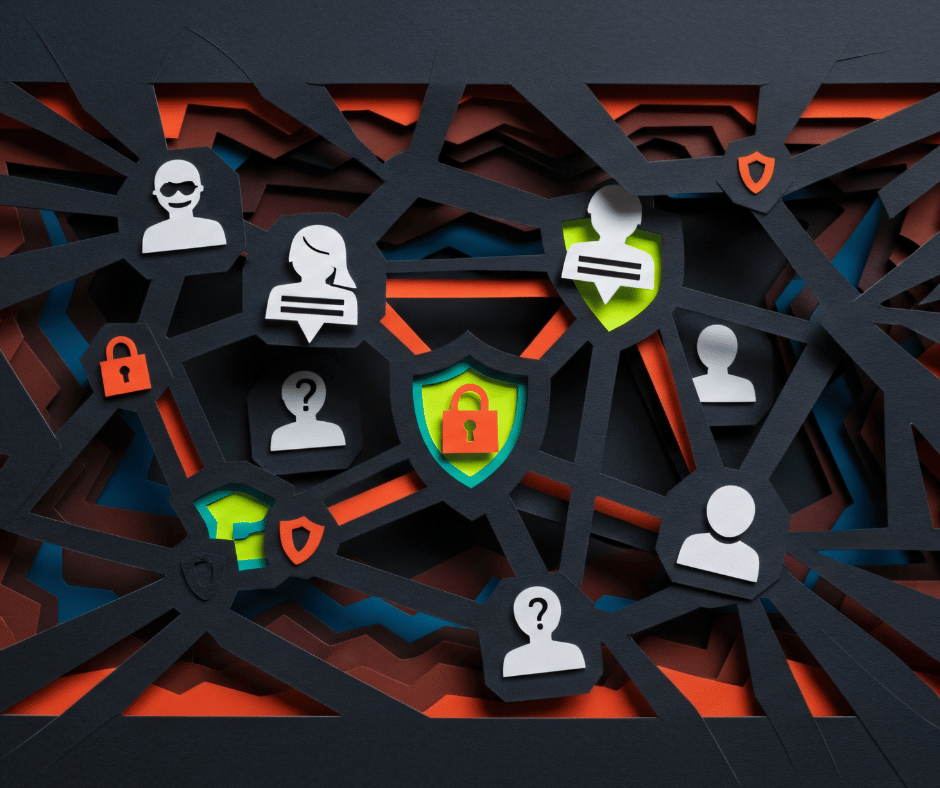
Security posture is like your organisation’s health check-up for protecting its information systems, data, and networks from cyber threats. It’s all about how well your company can spot, defend against, and respond to potential security incidents. It includes everything from the tools and technologies you use to secure your systems to the strategies and policies guiding your overall cybersecurity efforts. When discussing security posture, you might also come across terms like cybersecurity readiness, defense capability, or security stance. These security posture synonyms similarly describe an organisation’s overall ability to protect itself from cyber threats and manage its cybersecurity health effectively.
Why a Strong Security Posture Matters
A strong security posture enables an organisation to effectively protect against and respond to cyber threats.
Prevent Cyber Attacks: By having a proactive defense strategy in place.
Comply with Regulations: Meeting industry standards and legal requirements for data protection.
Maintain Trust: Building confidence with customers and partners through reliable security practices.
Respond to Incidents: Quickly addressing and recovering from security breaches to minimise damage.
How to Strengthen Your Security Posture
To strengthen the security posture of the organisation, the following measures can be undertaken
Investment in Security Technologies
Deploy advanced security technologies such as next-generation firewalls, endpoint detection and response (EDR) solutions, and security information and event management (SIEM) systems to provide comprehensive protection against evolving cyber threats.
Regular Security Updates and Patch Management
Establish a proactive management process to ensure that all systems and software are promptly updated with the latest security patches and updates. This helps mitigate vulnerabilities and reduce the risk of exploitation by attackers.
Adoption of Zero Trust Principles
Embrace the principles of zero trust networking to verify and authenticate all users and devices attempting to access the network, regardless of their location. This minimizes the risk of lateral movement and unauthorised access within the network.
Security Automation and Orchestration
Implement automation and orchestration tools to streamline security operations and response processes. This includes automating routine tasks, orchestrating incident response workflows, and leveraging artificial intelligence (AI) and machine learning (ML) for threat detection and analysis.
Security Posture Assessment
Regularly conducting a security posture check helps organisations identify vulnerabilities and ensure their defenses are up to date against the latest threats.
Incorporating security awareness training, simulated phishing software, simplified policy management, and dark web monitoring into security posture assessment is vital for ensuring a strong defense against cyber threats. These elements not only aid in identifying gaps in staff-based security knowledge and practices but also contribute to minimising those gaps through continuous reinforcement and proactive measures. By emphasising education, testing, policy clarity, and external threat monitoring, organisations can enhance their overall security posture and better protect against potential breaches and attacks.
1. Security Awareness Training

Enhance and track employee cybersecurity awareness by identifying and addressing individual security gaps through personalised training programs.
Interactive education programs designed to inform and empower individuals within an organisation about potential cybersecurity threats and best practices.
2. Simulated Phishing Tests
Tools that mimic real-world phishing attacks to assess and improve employees' ability to recognise and respond to phishing attempts.
3. Dark Web Monitoring
Services that continuously scan the dark web for any stolen or compromised credentials or sensitive information related to an organisation, enabling proactive threat mitigation.
4. Simplified Policy Management
Streamlined systems and tools aimed at efficiently creating, updating, and enforcing cybersecurity policies across an organisation's network, ensuring compliance and reducing administrative burdens.
Incorporating security awareness training, simulated phishing software, simplified policy management, and dark web monitoring into security posture assessment is vital for ensuring a strong defense against cyber threats. These elements not only aid in identifying gaps in staff-based security knowledge and practices but also contribute to minimising those gaps through continuous reinforcement and proactive measures. By emphasising education, testing, policy clarity, and external threat monitoring, organisations can enhance their overall security posture and better protect against potential breaches and attacks.
Understanding Security Posture Levels
Let's talk about IT security posture and cyber security posture levels. Essentially, these are like different levels of readiness in protecting your digital assets. Picture it as a security scale, ranging from basic to mature. Your IT security posture level reflects how well your organisation is equipped to handle potential threats in the digital realm. Meanwhile, your cyber security posture level dives deeper into specifics, like how effectively you're guarding against online attacks or data breaches. It's all about understanding where you stand on the security front and taking steps to level up your defenses accordingly.
Security posture levels generally refer to the varying degrees of readiness and resilience of an organisation's security measures. These levels can range from basic or low to advanced or high, depending on factors such as the effectiveness of security controls, the maturity of security processes, and the organisation's ability to detect and respond to threats. Here's a breakdown of typical security posture levels:
1. Basic Level

At this level, security measures are minimal and often reactive rather than proactive. There may be limited awareness of potential threats and vulnerabilities.
2. Intermediate Level
Organisations at this level have begun implementing more structured security measures. There's an awareness of potential risks, and basic security controls are in place, though they may not be consistently applied across all areas.
3. Advanced Level
Advanced security posture involves a proactive approach to security. Organisations at this level have robust security controls and processes in place, regularly updated to address emerging threats. They often invest in advanced technologies and have a strong security culture.
4. Mature Level
At the mature level, organisations have highly sophisticated security measures integrated into all aspects of their operations. They have a comprehensive understanding of their threat landscape and continuously monitor, evaluate, and improve their security posture.
These levels are not strictly defined and can vary depending on the organisation's industry, size, and specific security requirements. The goal for any organisation is to continually strive for improvement, moving towards a higher security posture level to better protect against evolving threats.
How to Build and Improve Your Security Posture: A Step-by-Step Approach
How to Build and Improve Your Security Posture: A Step-by-Step Approach
Knowing your current posture level is only useful if you know how to move it forward. The following steps give your team a practical sequence for strengthening defences without overhauling everything at once.
1. Conduct a baseline security assessment
Before making changes, understand where you stand. Map your current controls against a framework such as the ACSC Essential Eight or ISO 27001. Identify gaps between your current state and your target maturity level.
2. Prioritise your highest-risk exposures first
Not all gaps are equal. Focus first on the controls that would have the highest impact if breached — typically identity and access management, email security, and endpoint protection. Quick wins here raise your overall posture immediately.
3. Implement layered technical controls
Deploy controls in layers — endpoint detection and response (EDR), next-generation firewalls, multi-factor authentication (MFA), and email filtering. No single control is sufficient; resilience comes from overlapping defences.
4. Establish continuous monitoring
Security posture degrades without active monitoring. Implement a SIEM or equivalent logging solution to give your team visibility into anomalous activity in real time. Set alert thresholds for high-priority events.
5. Run regular patch and vulnerability management
Unpatched systems are the most common entry point for attackers. Establish a defined patch cadence — critical patches within 48 hours, high-severity within two weeks — and track compliance across your environment.
6. Train employees and build a reporting culture
Technical controls only go so far. Regular security awareness training, phishing simulations, and a blame-free reporting culture ensure that your people are an active part of your defence — not a liability. See our guide on effective security awareness training for a full framework.
7. Review and iterate on a quarterly cadence
Security posture is not a destination. Threat landscapes change, your infrastructure evolves, and new vulnerabilities emerge constantly. Schedule quarterly posture reviews to re-assess your controls, update your risk register, and adjust priorities.
Why Cyber Posture Is Critical for Every Business
Cyber posture is vital for defending against cyber threats, protecting data and assets, and preserving valuable resources such as money and time.
Educating staff to act as "Human Firewalls"
Secure sensitive information
Build customer trust
Prevent Identity Theft
Avoid legal and financial risks
Protect intellectual property and brand
Strengthen Your Security Posture Today
In an era where cyber threats are constantly evolving, maintaining a strong security posture is no longer optional — it’s essential. By investing in advanced technologies, training your staff, continuously monitoring risks, and implementing proactive policies, your business can effectively prevent breaches, protect sensitive data, and maintain customer trust.
Don’t wait for a cyber incident to expose vulnerabilities in your organisation. Partner with Ezynode to assess your current security posture, strengthen your defenses, and ensure your business remains resilient against today’s cyber threats.