
Phishing Emails and the Psychology Behind Why People Click
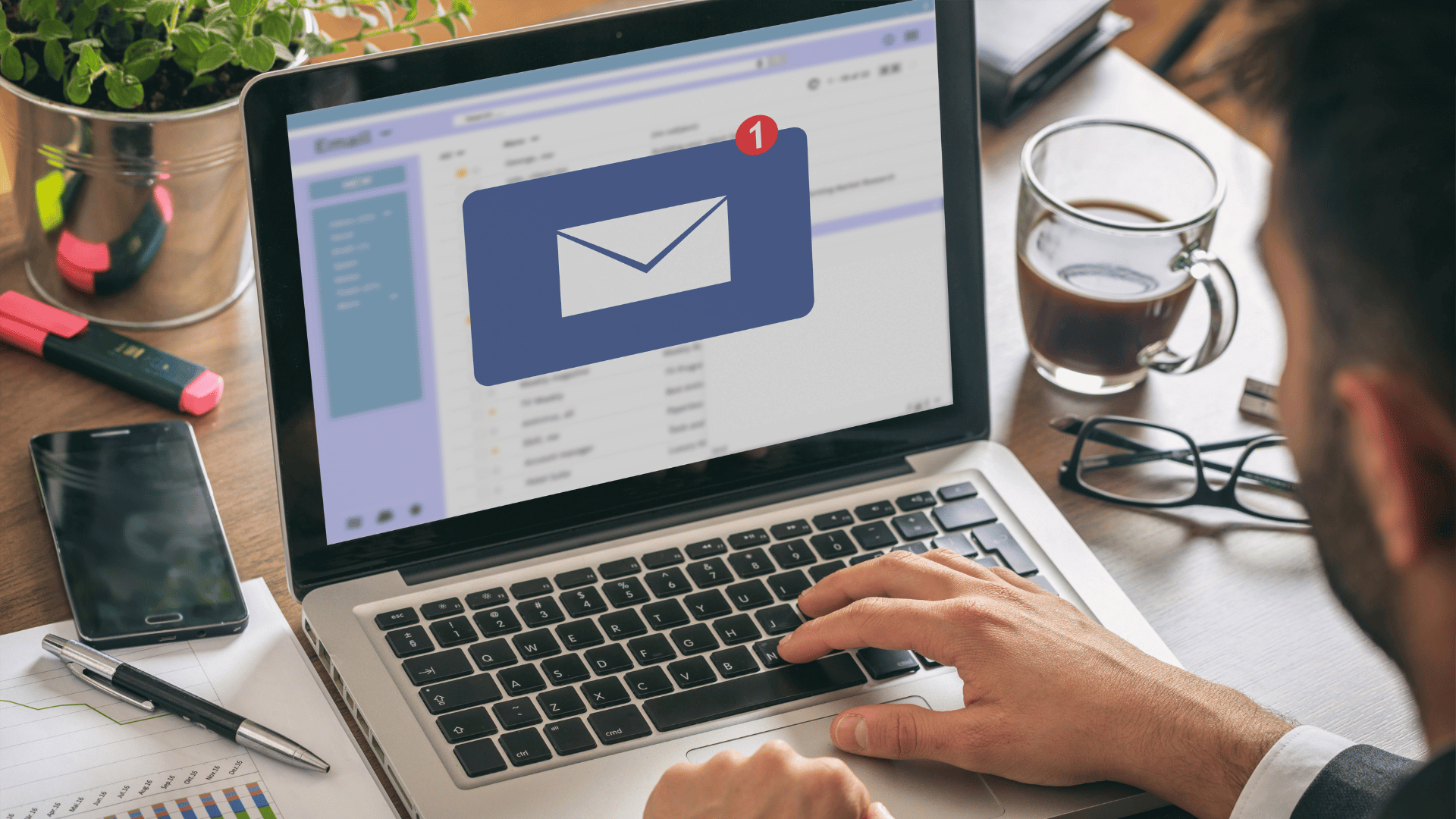
Phishing emails remain one of the most common — and most successful — cyber threats facing businesses today. Despite advanced email filters, security software, and employee training programs, phishing attacks continue to bypass defences and cause costly breaches.
The reason is simple: phishing emails are not designed to attack technology. They are designed to manipulate people.
Cybercriminals understand how humans think, react, and make decisions under pressure. By exploiting emotions such as fear, urgency, trust, and curiosity, phishing emails are carefully crafted to trigger instinctive reactions before logic has time to intervene.
In this guide, we’ll explain what phishing emails are, why they continue to work, and the psychology behind the tactics attackers use — so businesses and employees can better recognise and stop them. We’ll also provide detailed insights into human decision-making processes and actionable prevention strategies grounded in research and real-world examples.
What Are Phishing Emails?
Phishing emails are fraudulent messages designed to trick recipients into revealing sensitive information, clicking malicious links, or downloading harmful attachments.
They often appear to come from trusted sources such as:
IT support teams
Banks or financial institutions
Cloud service providers (Microsoft, Google, Dropbox)
Delivery companies
Senior executives or managers
Unlike generic spam, phishing emails are deliberately crafted to look legitimate. Attackers frequently copy branding, tone, and formatting from real organisations, making the message appear authentic at first glance.
The goal is not simply to deceive — it is to persuade the recipient to act quickly without questioning the request. Research shows that even minor deviations in wording or design can reduce the effectiveness of phishing, which is why attackers meticulously design every detail to align with human expectations.
Why Phishing Emails Still Work Today
With so much awareness around cybercrime, many people assume phishing should no longer be effective. Yet attackers continue to succeed for several reasons.
1. Digital Overload
Employees receive hundreds of emails, messages, and notifications each day. This constant information flow reduces attention and increases the likelihood of mistakes. Cognitive science studies show that when the brain is overloaded, it prioritises efficiency over accuracy, making employees more likely to respond automatically to urgent-looking emails.
2. Remote and Hybrid Work
Distributed teams rely heavily on email and cloud platforms, making digital communication the default — and easier to impersonate. Without in-person verification, employees often cannot distinguish legitimate requests from fraudulent ones.
3. Increased Sophistication
Modern phishing emails often contain:
Perfect grammar
Legitimate-looking domains
Real company logos
Context-aware messaging tailored to the recipient
These features exploit the brain’s pattern-recognition tendencies; if the email “looks right,” the recipient is more likely to act without scrutiny.
4. Human Nature
Most importantly, phishing succeeds because human behaviour is predictable. Attackers know exactly which emotional buttons to press, often targeting the subconscious decision-making processes that govern instinctive reactions.
The Psychology of Phishing Explained
Phishing is a form of social engineering — the practice of manipulating people into performing actions or revealing information.
Rather than hacking systems directly, cybercriminals exploit how the human brain responds to emotion, authority, and urgency. Understanding this psychology is key to reducing phishing risk because it allows organisations to design effective training and mitigation strategies that address the root cause rather than just the symptoms.
Emotional Manipulation
Phishing emails are designed to provoke emotional reactions that override rational thinking. Common emotions targeted include:
Fear: Threats of account suspension or security breaches push recipients to act immediately, bypassing logical checks.
Urgency: Messages demanding immediate action reduce the likelihood of verification or cross-checking.
Curiosity: Unexpected attachments or subject lines entice users to click without assessing risk.
Greed: Offers of refunds, prizes, or bonuses exploit the desire for personal gain.
Empathy: Messages appearing to help colleagues or clients manipulate the natural desire to assist others.
Scientific research in behavioural economics shows that emotional arousal significantly affects decision-making, explaining why employees with cybersecurity awareness training may still fall victim under pressure.
Cognitive Biases Exploited
Cybercriminals rely on well-documented cognitive biases:
Authority bias: People are more likely to comply with perceived leaders or institutions.
Familiarity bias: Recognised brands feel safer, even when the email is fraudulent.
Scarcity effect: Limited-time warnings create panic, prompting quick decisions.
Loss aversion: The fear of losing access or data outweighs cautious behaviour.
Confirmation bias: Messages that match expectations go unquestioned.
Understanding these biases allows organisations to structure training and simulated phishing exercises that specifically target these vulnerabilities.
Common Psychological Triggers Used in Phishing Emails
Attackers combine emotion and bias to create highly persuasive messages:
“Your account will be suspended”
Triggers fear and loss aversion, prompting immediate compliance.
“Immediate action required”
Creates urgency and discourages verification, leveraging the fight-or-flight response.
“Invoice attached”
Exploits routine workplace behaviour and automatic processing of familiar tasks.
“CEO request”
Uses authority bias to bypass standard procedures and oversight.
“Security alert detected”
Leverages trust in internal systems, making employees less likely to question legitimacy.
These triggers work because they exploit natural cognitive shortcuts the brain uses to process information efficiently.
Real-World Examples of Phishing Psychology
Fake IT Support Alert
“Your mailbox has exceeded its storage limit. Click here to restore access.”
Psychology used: fear + urgency + authority. The email exploits the recipient’s concern about losing access to critical information.
Executive Impersonation
“I need this payment processed immediately. I’m in meetings all day.”
Psychology used: authority bias + time pressure. Employees feel compelled to act to avoid upsetting leadership.
Cloud File Sharing Scam
“You’ve received a secure document. View before expiration.”
Psychology used: curiosity + scarcity. The time-limited message triggers immediate action.
Delivery Notification Scam
“Your package is awaiting confirmation.”
Psychology used: routine behaviour + familiarity. Employees respond automatically to familiar operational emails.
These examples highlight how attackers carefully craft emails to bypass rational analysis.
Why Smart Employees Still Fall for Phishing
Falling for phishing is not a sign of carelessness or lack of intelligence. Contributing factors include:
Multitasking during busy workdays
Cognitive fatigue
Time pressure
Trust in workplace systems
Repetition desensitisation from frequent alerts
Understanding these factors allows organisations to tailor training and phishing simulations to realistic workplace conditions.
How Attackers Design Phishing Emails to Bypass Logic
Modern phishing emails are intentionally engineered to appear legitimate:
Familiar branding and layouts
Real company signatures and formatting
Lookalike domains that are visually close to the real domain
Clean formatting and grammar
Timing attacks, such as early mornings or end-of-month periods
By aligning with employees’ expectations of normal communication, attackers reduce the chance of suspicion.
Reducing Phishing Risk Requires More Than Tools
Technical solutions alone are insufficient:
Email filters and antivirus software reduce volume and block known threats
Firewalls prevent some external attacks
But these tools cannot protect against decisions made by humans under pressure
Effective phishing defence combines technology with behaviour-focused strategies:
Continuous awareness training
Regular simulated phishing exercises
Clear reporting procedures
Leadership support for security culture
Phishing Awareness Starts With Understanding Human Behaviour
Phishing emails remain effective because they target human psychology rather than technical weaknesses. By understanding how attackers manipulate emotion, bias, and behaviour, organisations can develop meaningful strategies that address root causes.
Cybersecurity is not only an IT responsibility — it is a shared human responsibility. Employees who understand why phishing works are far better equipped to recognise, report, and resist malicious attempts, making the organisation safer as a whole.
Recognising these triggers is the first step. But knowing the psychology is only useful if you can also identify the visual and structural warning signs in a live email.
Frequently Asked Questions about Phishing Email
-
Phishing emails succeed because attackers exploit emotion and timing, not lack of knowledge. When people are busy, stressed, or distracted, instinctive reactions override training. Phishing messages are designed to trigger urgency or fear before logical thinking has time to engage.
-
Phishing emails feel convincing because they mimic normal workplace communication. They use familiar branding, realistic language, expected scenarios, and emotional triggers that align with how the brain processes routine tasks quickly and without deep analysis.
-
Phishing is primarily a human problem enabled by technology. While security tools block many threats, attackers focus on manipulating behaviour. This is why employee awareness and decision-making play a critical role in reducing phishing risk.
-
Urgency limits critical thinking. When people believe immediate action is required, the brain prioritises speed over accuracy. Attackers use deadlines, threats, or warnings to prevent recipients from pausing to verify the request.
-
The most effective approach combines technology with behaviour-focused training. Continuous security awareness, realistic phishing simulations, clear reporting processes, and multi-factor authentication significantly reduce both successful attacks and their impact.